
Why Speed Training Matters No Matter What Sport Your Child Plays
It's easy to assume speed training is for sprinters and track athletes. If your child plays rugby, netball, soccer, AFL, basketball, or baseball here in Perth, you might think speed work isn't really "for them." That assumption costs a lot of athletes a real competitive edge.
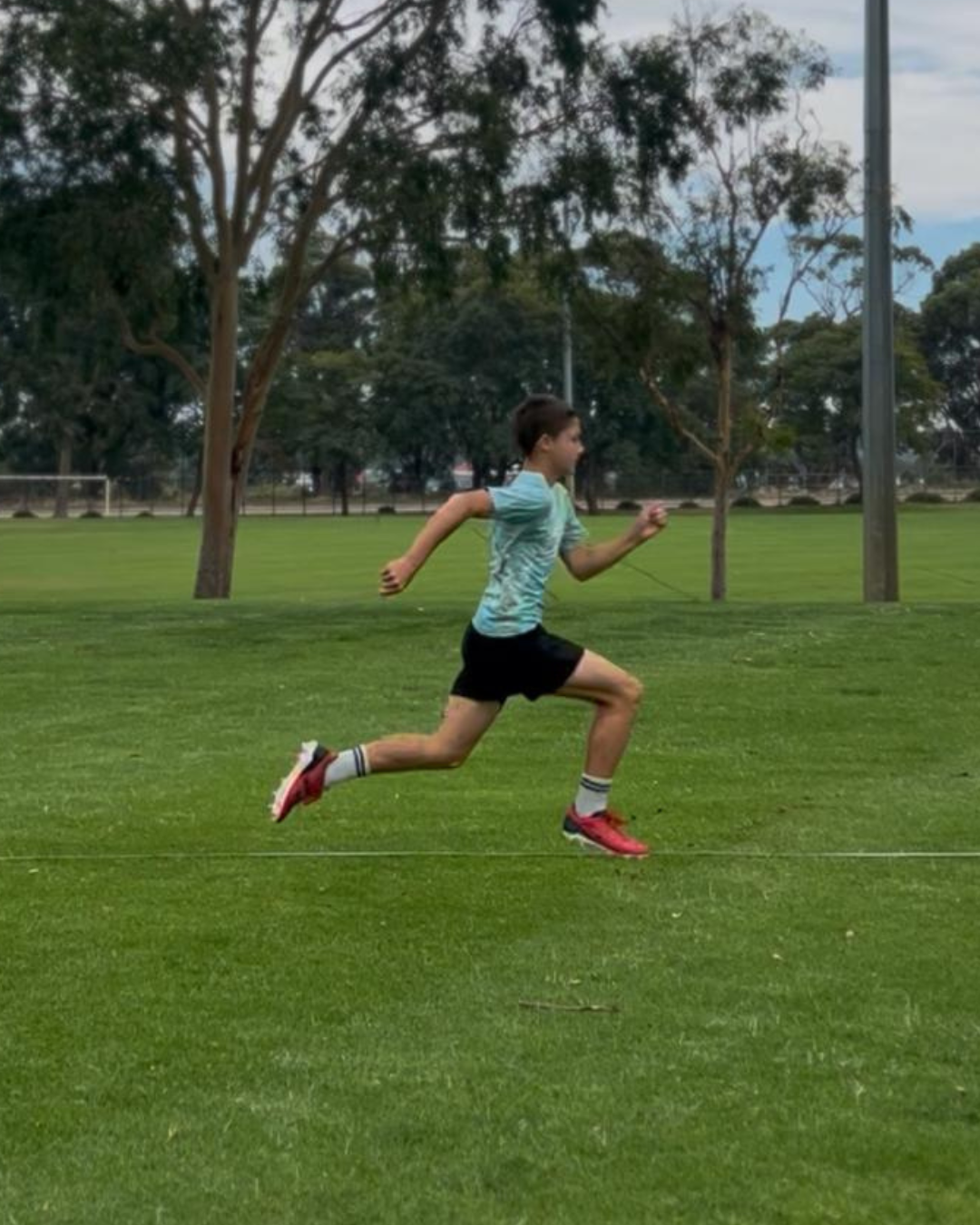
Speed Shows Up in Every Sport. Just Differently
No team sport involves running 100m in a straight line. But almost every team sport is built on short, explosive bursts: beating a defender to the ball, closing down space, breaking away on a counter-attack, getting to a loose ball half a second before the opponent.
That half-second is speed. Not marathon speed. Think acceleration, first-step quickness, and the ability to change direction without losing pace. These are the qualities that actually decide moments in games, far more often than top-end sprint speed over long distances.
The Skills That Transfer Across Sports
A few specific qualities show up again and again, regardless of the sport:
First-step quickness. The ability to go from stationary to moving fast, instantly. This decides who wins the contest for the ball, the gap, or the rebound.
Change of direction speed. Most sports involve far more cutting, stopping, and redirecting than straight-line running. An athlete who can decelerate and re-accelerate efficiently has a major edge.
Repeated speed ability. Game sports demand speed over and over, not just once. Training that builds true sprint mechanics, rather than just conditioning helps athletes maintain quality movement late into a game, not just early.
Why This Often Gets Overlooked
Most junior sport training time goes toward skills specific to the game itself. Ball skills, tactics, positioning. That makes sense. But it means the physical qualities underneath those skills. The speed and movement foundation that makes a great skill even more dangerous & often get left to chance.
A player with great ball skills and average speed is good. A player with great ball skills and elite speed is the one defenders dread.
It's Not About Replacing Sport-Specific Training
This isn't an argument for less time on the ball, less skill work, or less sport-specific practice. It's about recognising that speed is a separate, trainable layer underneath all of it. One that amplifies everything else an athlete already does well.
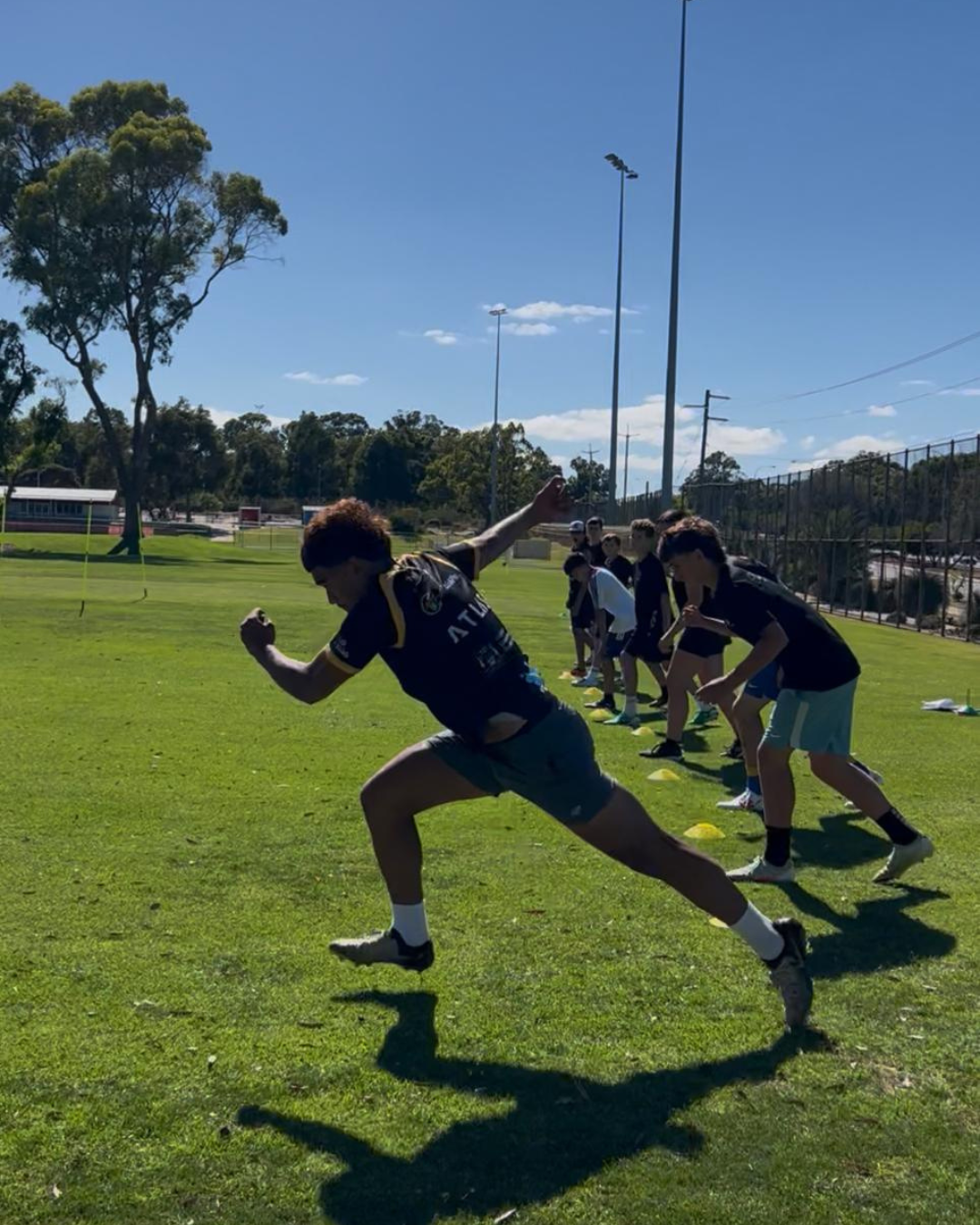
The Takeaway
Whatever sport your child plays, speed isn't a "nice to have" reserved for athletics. It's one of the most transferable physical qualities in sport, and one of the most under-trained.
Frequently Asked Questions
Does speed training help in sports other than athletics? Yes. Speed training builds first-step quickness, acceleration, and change of direction ability qualities that decide key moments in rugby, soccer, AFL, netball, basketball, and baseball alike.
Will speed training take time away from sport-specific skills? No. Speed training works alongside ball skills and tactical training, not instead of it. It builds the physical foundation that makes existing skills more effective.
How often should a young athlete do speed training? Most youth athletes benefit from one to two dedicated speed sessions per week, layered alongside their regular sport training and games.
Our Speed Academy works with athletes across rugby, soccer, AFL, netball, basketball, baseball, and more building the speed and movement foundation that supports performance in any sport, for kids across Perth and Alkimos.